
Where the risk actually sits#
Most changeroom cleaning addresses what is visible: floors clear, mirrors wiped, dispensers stocked. The contamination that produces complaints is somewhere else.
Shower grout lines#
Warm, permanently moist grout is porous and holds organic matter. Without targeted treatment, grout lines become long-term reservoirs of bacteria and mould in showers that otherwise look clean. Discolouration — darkening, pink film, black spotting — means the contamination is already embedded and surface cleaning is not reaching it.
Drain interiors#
Hair, soap and organic matter accumulate underneath drain covers. This is the single most common source of persistent changeroom odour, and it is the area most often wiped around rather than cleaned out.
Locker interiors#
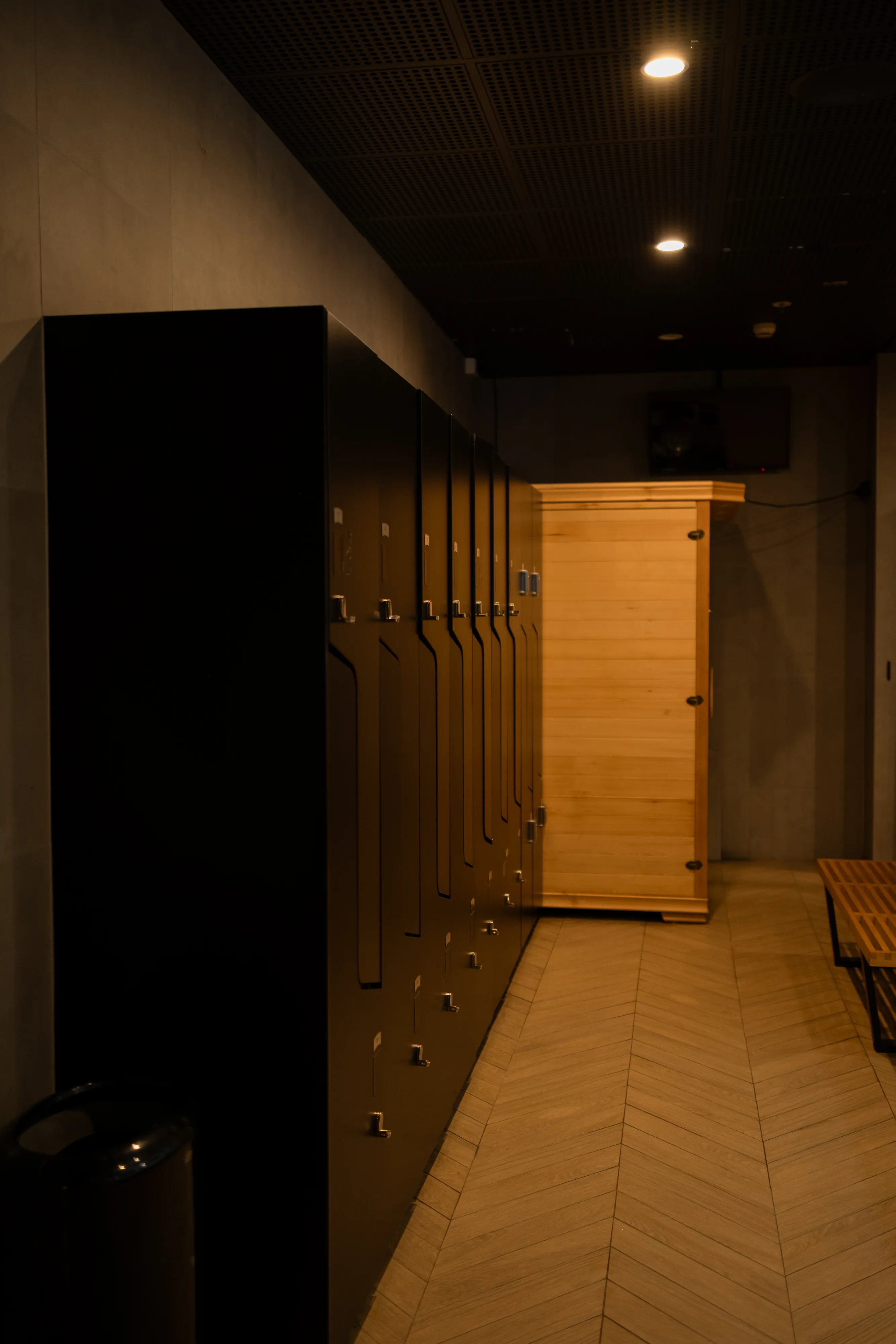
Members store wet towels, damp gear and open bottles in lockers. Interior surfaces build a biofilm that surface spraying does not penetrate.
Bench undersides#
The underside of a bench collects moisture, dust and skin cells. It is rarely in a generic cleaning scope, and it is at face level for anyone bending down to tie their shoes.
The health case#
Poorly maintained wet areas are associated with organisms that are well documented in shared facilities:
- Dermatophytes — the fungal group behind tinea, which persists on wet tile and shower floors
- Staphylococcus aureus, including MRSA — survives on hard surfaces and transfers via benches, handles and shared contact points
- Mould — spores accumulating in poorly ventilated, persistently damp spaces
Naming the organism matters, because the control measure differs. A product and dwell time that handles bacteria is not automatically effective against a fungal load on a shower floor.
What a proper changeroom protocol looks like#
- Daily — sanitisation of every touchpoint, floor mopping with an antimicrobial solution, waste removal and dispenser management
- Weekly — grout treatment, drain cleaning, bench deep clean including undersides, ventilation check
- Monthly — full deep clean taking in ceiling vents, light fixtures and behind-fixture areas
What Apex covers#
Shower and tile deep cleaning, toilet and urinal sanitisation, locker wipe-downs inside and out, mould prevention treatment, and dispenser restocking. Products are TGA-approved and hospital-grade, applied at their listed contact time — a disinfectant wiped off early has not disinfected anything.
Wet areas are the highest-risk zone in any gym and the one most likely to generate a member complaint. They are scoped accordingly rather than treated as an extension of the main floor.