The Real Cost of a Dirty Gym Is More Than Just Grime#
Neglecting gym hygiene in Sydney isn't just an aesthetic issue; it's a significant business liability. The true costs extend far beyond the surface, directly impacting your financial stability and brand reputation. These hidden expenses manifest as lost memberships, increased staff sick leave, costly emergency call-outs, and long-term damage to the trust you've built with your members. In short, poor hygiene is one of the most expensive problems a fitness facility can have.
This article breaks down the tangible financial and reputational consequences of inadequate cleaning and presents a clear case for viewing professional hygiene management as a critical investment in your gym's future.
The Direct Impact on Your Bottom Line#
Cutting corners on cleaning might seem like a way to save money in the short term, but the financial repercussions are swift and severe. An unclean facility actively erodes your revenue and increases your operational costs.
Increased Member Churn#
For your members, a clean and safe environment is not a bonus—it's a baseline expectation. A dirty changing room, sticky equipment, or unpleasant odours are among the top reasons members cancel their subscriptions. In Sydney's highly competitive fitness market, members have plenty of other options. Every member who leaves due to hygiene concerns represents a direct loss of recurring revenue and increases your customer acquisition costs as you're forced to spend more to replace them.
Rising Staff Absenteeism#
Your team is your greatest asset, but an unhygienic workplace puts their health at risk. Gyms are natural breeding grounds for bacteria and viruses due to the combination of sweat, high-touch surfaces, and enclosed spaces. Research has shown that fitness equipment can harbour a staggering amount of bacteria, sometimes more than a public toilet seat. Increased staff sickness leads to:
- Direct Costs: Paying for sick leave and potentially hiring casual staff to cover shifts.
- Indirect Costs: Lost productivity, disrupted class schedules, and a decline in service quality when experienced trainers are absent.
- WHS Compliance Risks: Under Australian Work Health and Safety (WHS) laws, employers have a duty of care to provide a safe working environment. Neglecting hygiene can be seen as a breach of this duty.
The Expense of Reactive Deep Cleaning#
A single complaint to a health authority or a viral social media post about your gym's cleanliness can trigger the need for an emergency deep clean. These reactive services are significantly more expensive than a scheduled, preventative cleaning program. They also often involve business disruption, forcing you to close your doors during the process, leading to further revenue loss and member frustration.
Reputation: The Asset You Can’t Afford to Lose#
Financial losses can sometimes be recovered, but a damaged reputation is much harder to repair. In the fitness industry, trust and community are paramount. Once that trust is broken, winning it back is an uphill battle.
The Power of Online Reviews and Word-of-Mouth#
Before joining a new gym, most Sydneysiders will check Google reviews, social media, and ask for recommendations. A single negative review detailing poor hygiene can deter dozens of prospective members. Positive word-of-mouth builds communities and drives organic growth; negative word-of-mouth can dismantle it just as quickly. You can't control what people say, but you can control the experience that shapes their opinion.
Eroding Community Trust#
A gym should be a sanctuary—a place where members feel safe, motivated, and cared for. If they are worried about getting sick, they can't focus on their fitness goals. This anxiety erodes the sense of community that is vital for member retention. A facility that is perceived as unclean signals a lack of care from management, breaking the bond of trust between your brand and your members.
Difficulty Attracting and Retaining Top Talent#
Just as members want a clean facility, so do professional trainers and staff. A top-tier personal trainer or manager will not want to associate their personal brand with a gym that has a reputation for being dirty. High staff turnover is costly and destabilising, and a poor reputation for hygiene makes it significantly harder to attract the best talent in the industry.
Shifting from Expense to Investment: A Proactive Approach#
It's time to reframe your perspective on cleaning. A professional hygiene strategy is not a cost centre; it is an investment in risk management, member retention, and brand equity.
The ROI of Professional Gym Cleaning#
Investing in a specialised gym cleaning service delivers a clear return by directly mitigating the costs outlined above:
- Protects Revenue: Reduces member churn by providing a consistently clean and welcoming environment.
- Reduces Costs: Minimises staff sick days and eliminates the need for expensive, reactive deep cleans.
- Builds Brand Value: Strengthens your reputation as a premium, health-focused facility, justifying membership fees and attracting new clients.
- Ensures Compliance: Helps you meet your WHS obligations, protecting you from potential fines and legal issues, as guided by authorities like Safe Work Australia.
What a Proactive Strategy Involves#
A professional approach goes far beyond a quick wipe-down. A specialist gym cleaning partner develops a comprehensive plan tailored to your facility's specific needs.
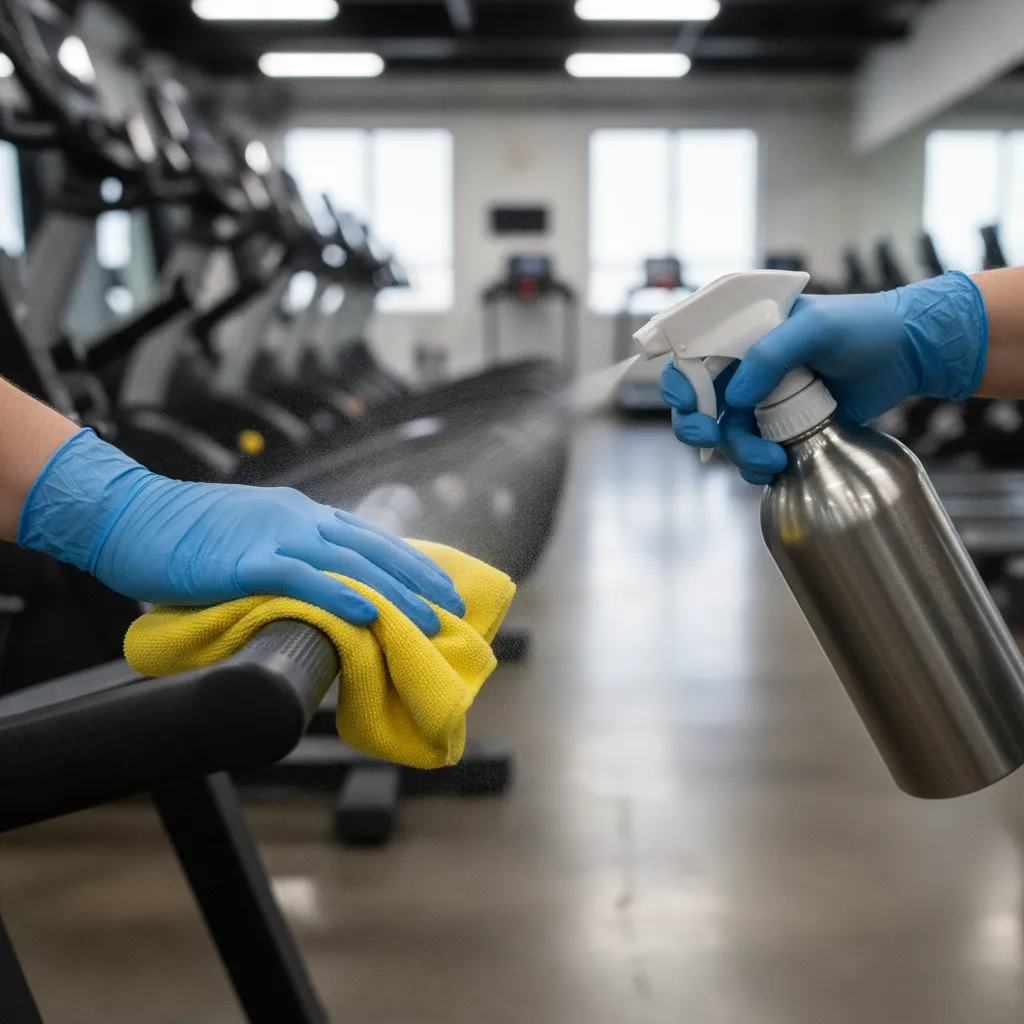
- High-Touch Point Disinfection: A systematic focus on disinfecting the most critical areas, including free weights, machine handles, cardio machine screens, and door handles.
- Specialised Floor and Surface Care: Using the correct techniques and products for different surfaces like rubber flooring, turf, and wet areas to ensure they are not just clean but properly sanitised without being damaged.
- Thorough Change Room and Amenity Sanitation: Detailed cleaning and disinfection of showers, toilets, lockers, and benches to prevent the spread of mould, mildew, and bacteria.
- Attention to Detail: Ensuring that every corner of your facility reflects your commitment to quality and member wellbeing.
Protect Your Investment, Protect Your Brand#
The hidden costs of neglecting gym hygiene are real, substantial, and can threaten the viability of your business. By shifting to a proactive, professional cleaning strategy, you are not just maintaining your facility; you are investing in member loyalty, staff health, and the long-term reputation of your brand.
To ensure your Sydney gym is a benchmark for cleanliness and safety, it pays to partner with experts who understand the unique demands of the fitness industry. For a no-obligation assessment of your facility's hygiene needs, contact us today.