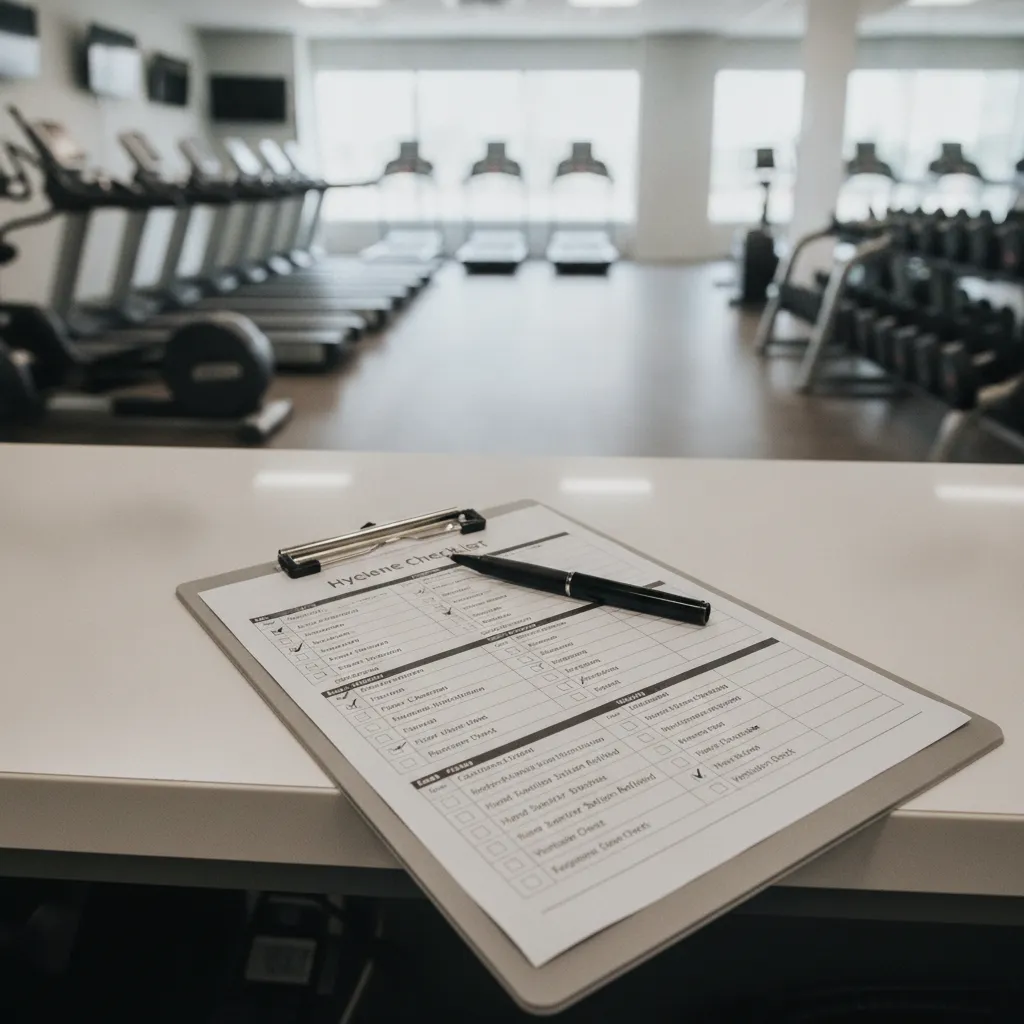
Your Direct Answer: How Hygiene Audits Drive Efficiency#
A professional hygiene audit is a strategic tool for gym and facility managers to enhance operational efficiency. Far from being a simple 'spot check', a comprehensive audit provides objective data that transforms your cleaning programme from a necessary expense into a strategic asset. It identifies hidden risks, streamlines processes, and ultimately reduces operational costs by ensuring your resources are targeted precisely where they are needed most.
This process moves cleaning from a reactive task to a proactive, data-driven strategy that supports member safety, asset protection, and your bottom line.
What a Comprehensive Gym Hygiene Audit Truly Involves#
A professional audit is a systematic, documented review of your entire hygiene system. It's not about finding fault; it's about identifying opportunities for improvement. The process evaluates everything from cleaning frequencies and chemical usage to staff training and high-risk areas that may go unnoticed during day-to-day operations.
Beyond the Surface: Identifying Hidden Risks#
Standard cleaning routines can create a false sense of security, often missing deeper issues that pose risks to members and your business. An audit is designed to uncover these.
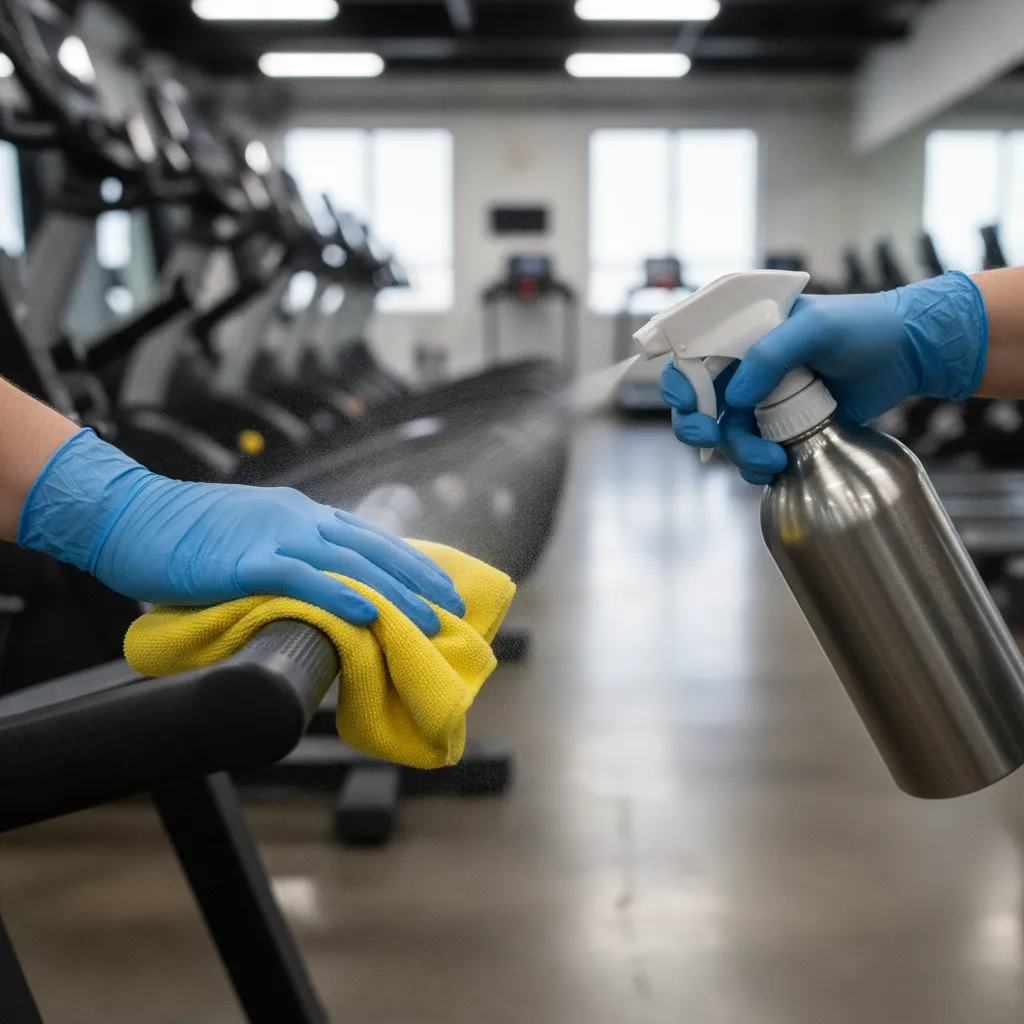
- Microbial Hotspots: We go beyond the obvious. While equipment wipes are essential, an audit assesses cross-contamination pathways. This includes analysing traffic flow and identifying high-touch points that are frequently missed, such as locker handles, water fountain buttons, and the frames of weight machines.
- Damp Area Dangers: Changerooms, showers, and sauna areas are breeding grounds for mould and mildew. An audit involves moisture checks and assesses ventilation adequacy to prevent fungal growth, which can cause respiratory issues and damage building materials.
- Chemical Safety and Compliance: Using the wrong cleaning agent or an incorrect dilution can damage expensive equipment and pose health risks. An audit verifies that your team is using the right products for each surface, that storage protocols meet safety standards, and that Safety Data Sheets (SDS) are accessible, aligning with Safe Work Australia guidelines for managing hazardous chemicals.
Uncovering Operational Inefficiencies#
Many gyms operate with legacy cleaning schedules that haven't adapted to changes in membership numbers, class schedules, or facility layouts. This leads to wasted resources.
An audit identifies this operational drag by asking critical questions:
- Is your team spending too much time on low-traffic areas while high-traffic zones are neglected?
- Are cleaning supplies being used efficiently, or is product being wasted through improper dilution or application?
- Do cleaning routes make logistical sense, or are staff wasting time moving back and forth across the facility?
By mapping usage patterns against cleaning activities, an audit reveals precisely where your time and money are being misallocated.
From Data to Decisions: Optimising Your Operations#
The most valuable output of a hygiene audit is actionable intelligence. The final report is not just a list of problems; it's a roadmap for creating a smarter, more cost-effective cleaning system.
Data-Driven Cleaning Schedules#
Instead of a one-size-fits-all approach, an audit allows you to implement a risk-based cleaning schedule. This means resources are allocated intelligently based on data.
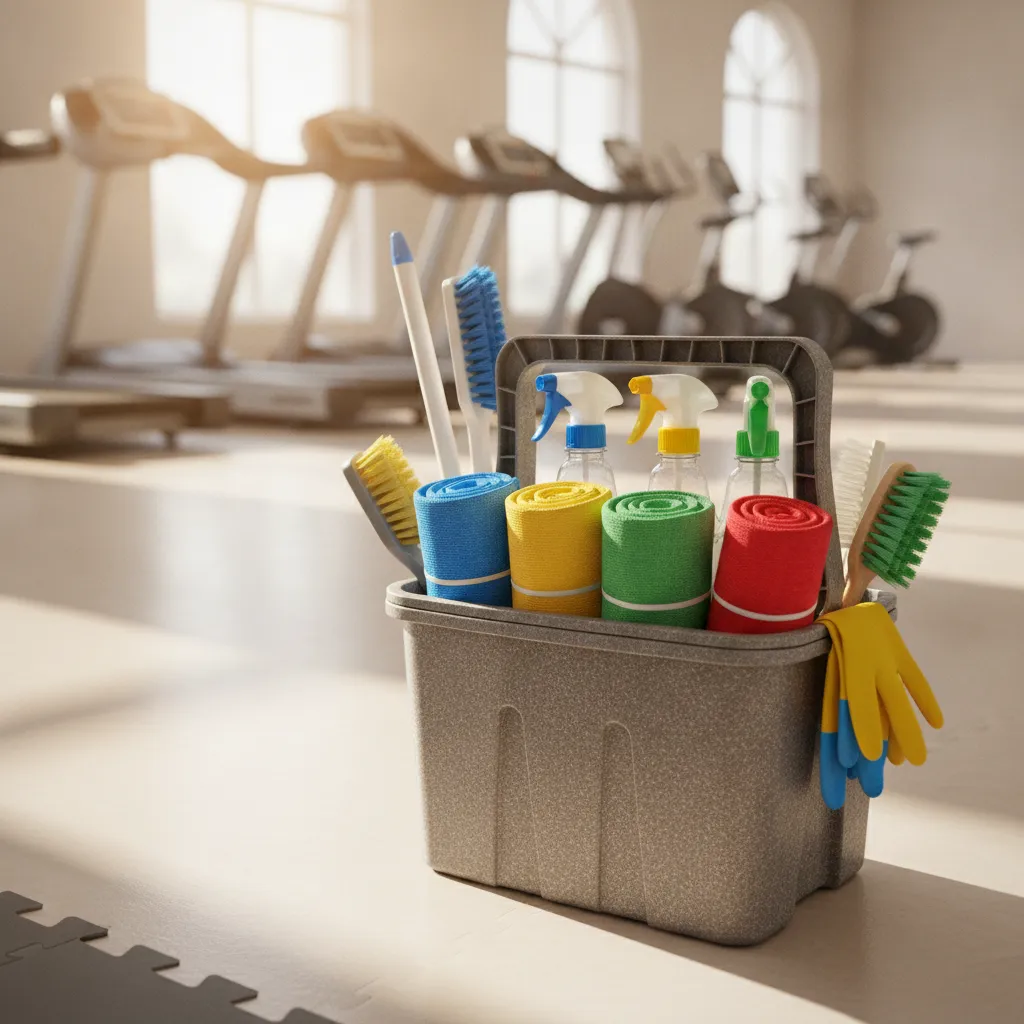
- High-Frequency Zones: Areas like reception desks, entry door handles, and the consoles of popular cardio machines are disinfected multiple times a day.
- Medium-Frequency Zones: Free weights, benches, and classroom floors are cleaned on a schedule that reflects their usage patterns.
- Low-Frequency Zones: Quiet corners or less-used equipment receive attention as needed, freeing up staff time for more critical tasks.
This targeted approach ensures the highest standards of hygiene where it matters most, without wasting labour on areas that don't require constant attention.
Reducing Operational Costs#
Optimising your cleaning programme has a direct and positive impact on your budget.
- Labour Optimisation: By focusing efforts on high-impact areas, you ensure your cleaning hours are productive, reducing the need for overtime or overstaffing.
- Supply Chain Savings: Using the correct chemical dilutions and application methods prevents waste, lowering your monthly spend on cleaning products.
- Preventative Maintenance: An audit can identify early signs of problems like leaks, mould, or flooring damage, allowing for low-cost repairs before they escalate into major capital expenditures.
The Long-Term Strategic Advantage for Managers and Franchisees#
Viewing hygiene through an operational lens offers significant long-term benefits, particularly for facility managers with multiple responsibilities and franchisees managing brand reputation.
Ensuring Brand Consistency and Compliance#
For fitness brands with multiple locations, an audit is the key to standardisation. It ensures that every member, from Bondi to Parramatta, experiences the same high standard of cleanliness and safety. This consistency is vital for brand trust and reputation. A documented audit trail also serves as crucial evidence of due diligence for Work Health and Safety (WHS) compliance.
Proactive Asset Protection#
The equipment and fit-out of your gym are significant investments. Improper cleaning practices can shorten their lifespan. Using abrasive chemicals on electronic consoles or the wrong polish on stainless steel can cause irreversible damage. An audit verifies that cleaning protocols are designed to protect your assets, saving you from costly replacements down the line. Following a structured process, like the one outlined in our Sydney gym hygiene audit framework, ensures these details are not missed.
Enhancing Member Trust and Retention#
In a competitive market, a visibly clean and well-maintained facility is a powerful differentiator. Members notice the details. A commitment to hygiene is a tangible signal that you care about their health and wellbeing. This builds trust, boosts satisfaction, and is a critical driver of member retention.
In short, a regular hygiene audit programme is a cornerstone of professional facility management. It provides the clarity and data needed to run a safer, more efficient, and more profitable gym.
---
An audit isn't about passing a test; it's about building a better system. If you're ready to transform your cleaning from a chore into a strategic advantage, Apex Reliable Cleaning can help. We provide expert, unbiased hygiene audits designed specifically for Sydney's fitness facilities.
Contact us today to learn how we can help you optimise your operations.