Your Guide to Impeccable Gym Changeroom and Sauna Hygiene#
Mastering changeroom and sauna hygiene requires a systematic, multi-faceted approach. It’s not just about daily mopping; it’s a combination of targeted deep cleaning protocols, effective moisture management to prevent mould, and consistent audits to maintain standards. For gym owners and facility managers, these areas are not just amenities—they are critical touchpoints that define a member's experience and reflect the overall health standards of your facility.
Neglecting these high-moisture, high-traffic zones can lead to health risks, member complaints, and significant damage to your gym's reputation. This guide provides a practical framework for implementing and maintaining the highest standards of cleanliness in your most challenging environments.
The Unique Challenges of Gym Changerooms and Saunas#
Unlike the main gym floor, changerooms, showers, and saunas present a unique combination of factors that accelerate the growth of bacteria, mould, and unpleasant odours. Understanding these specific challenges is the first step toward effective management.
High Moisture and Humidity#
Constant use of showers, steam from saunas, and wet towels create a perpetually damp environment. This humidity is the primary catalyst for the growth of mould, mildew, and fungi on surfaces like grout, silicone seals, and ceilings. These organisms not only look unsightly but can pose health risks to members, particularly those with respiratory conditions.
High Foot Traffic and Contamination#
Changerooms are high-traffic zones where members introduce dirt, sweat, and skin cells. Barefoot traffic in wet areas facilitates the spread of common infections like athlete's foot (tinea pedis) and plantar warts. Every surface, from locker handles to shower taps and floor drains, becomes a potential reservoir for germs.
Odour Proliferation#
Persistent dampness combined with bacteria breaking down sweat and organic matter creates stubborn, unpleasant odours. Poor ventilation traps this stale air, allowing smells to permeate the space and create a negative impression the moment a member walks in. Simply masking these odours with air fresheners is ineffective; the bacterial source must be eliminated.
Porous and Sensitive Materials#
Many materials used in these areas require specialised care. Grout between tiles is porous and readily absorbs moisture and bacteria, leading to discolouration and decay. Wooden benches in saunas can absorb sweat and bacteria if not treated and cleaned correctly, while harsh chemicals can damage the wood's integrity.
A Practical Cleaning Protocol for High-Moisture Areas#
A robust cleaning plan is proactive, not reactive. It involves distinct daily, weekly, and monthly tasks designed to tackle the core challenges of moisture, bacteria, and grime build-up.
Daily Cleaning Checklist#
These tasks are essential for maintaining a baseline of cleanliness and preventing immediate issues:
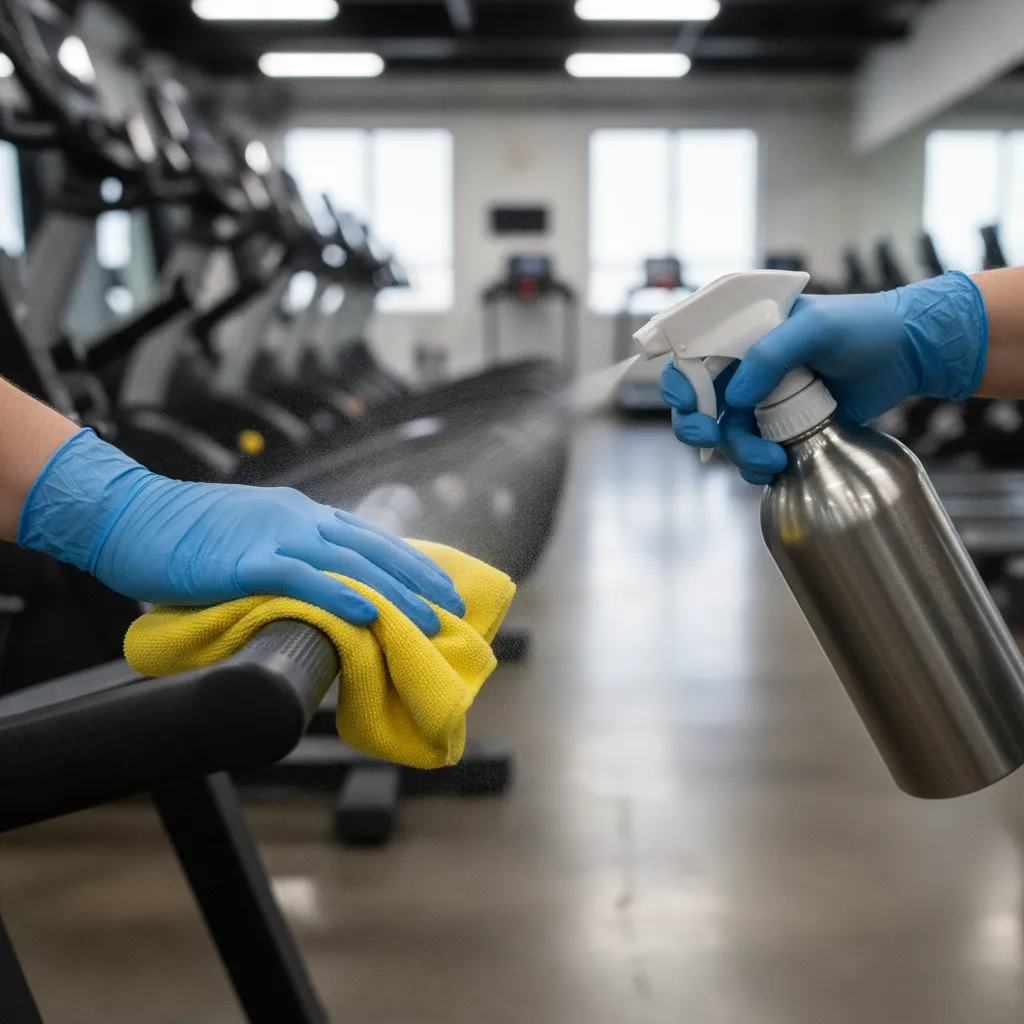
- **Surface Disinfection:** Wipe down all high-touch surfaces (locker handles, benches, taps, door handles) with a TGA-approved, commercial-grade disinfectant.
- **Floor Cleaning:** Mop floors with a disinfectant cleaning solution, paying close attention to corners and areas around drains.
- **Shower & Toilet Sanitisation:** Clean and sanitise all toilets, sinks, and shower cubicles, including walls and fixtures.
- **Restocking:** Replenish soap, paper towels, and toilet paper.
- **Waste Removal:** Empty all bins to prevent odour build-up.
Deep Cleaning Procedures#
Deep cleaning goes beyond the surface to eliminate embedded grime and microbial growth. This should be scheduled at least weekly, or more frequently for very high-traffic facilities.
- Grout and Tile Scrubbing: Use a professional-grade grout cleaner and stiff brushes to scrub away mould and discolouration from tiles and grout lines.
- Drain Cleaning: Thoroughly clean all floor drains to remove hair and soap scum build-up, which are primary sources of odours and blockages.
- High-Area Dusting: Dust and wipe down all high surfaces, including ventilation grilles, light fixtures, and the tops of lockers, where dust and mould spores can accumulate.
- Scale Removal: Descale shower heads and taps to remove mineral deposits, improve water flow, and eliminate bacteria breeding grounds.
Mould and Mildew Prevention#
Prevention is far more effective and less costly than remediation. The key is to control moisture.
- Ventilation is Crucial: Ensure your extraction fans are powerful, clean, and operating correctly. According to Safe Work Australia, adequate ventilation is a key control measure for managing mould in the workplace. Run fans during and for a significant period after peak hours to remove humid air.
- Promote Airflow: Where possible, design spaces to allow for natural airflow.
- Use Mould-Inhibiting Agents: Incorporate cleaning products with mould-inhibiting properties into your regular deep cleaning schedule.
Sauna-Specific Hygiene Protocols#
Saunas require a delicate touch. The combination of high heat and natural wood demands specific cleaning methods to ensure both hygiene and longevity of the materials.
- Clean Wooden Surfaces Correctly: Use a mild, pH-neutral cleaning solution designed for wood. Avoid harsh chemicals like bleach, which can damage and discolour the timber. Lightly sand benches periodically to remove stains and refresh the surface.
- Wipe Down After Peak Use: Have staff perform a quick wipe-down of benches with a damp cloth and an appropriate sanitiser at the end of each day.
- Heater and Rock Maintenance: Regularly inspect the sauna heater and rocks as per the manufacturer's instructions. Dust and debris can accumulate, posing a fire risk and affecting air quality.
The Role of Audits and Member Education#
Maintaining standards requires a system of checks and balances, along with cooperation from your members.
Conducting Regular Hygiene Audits#
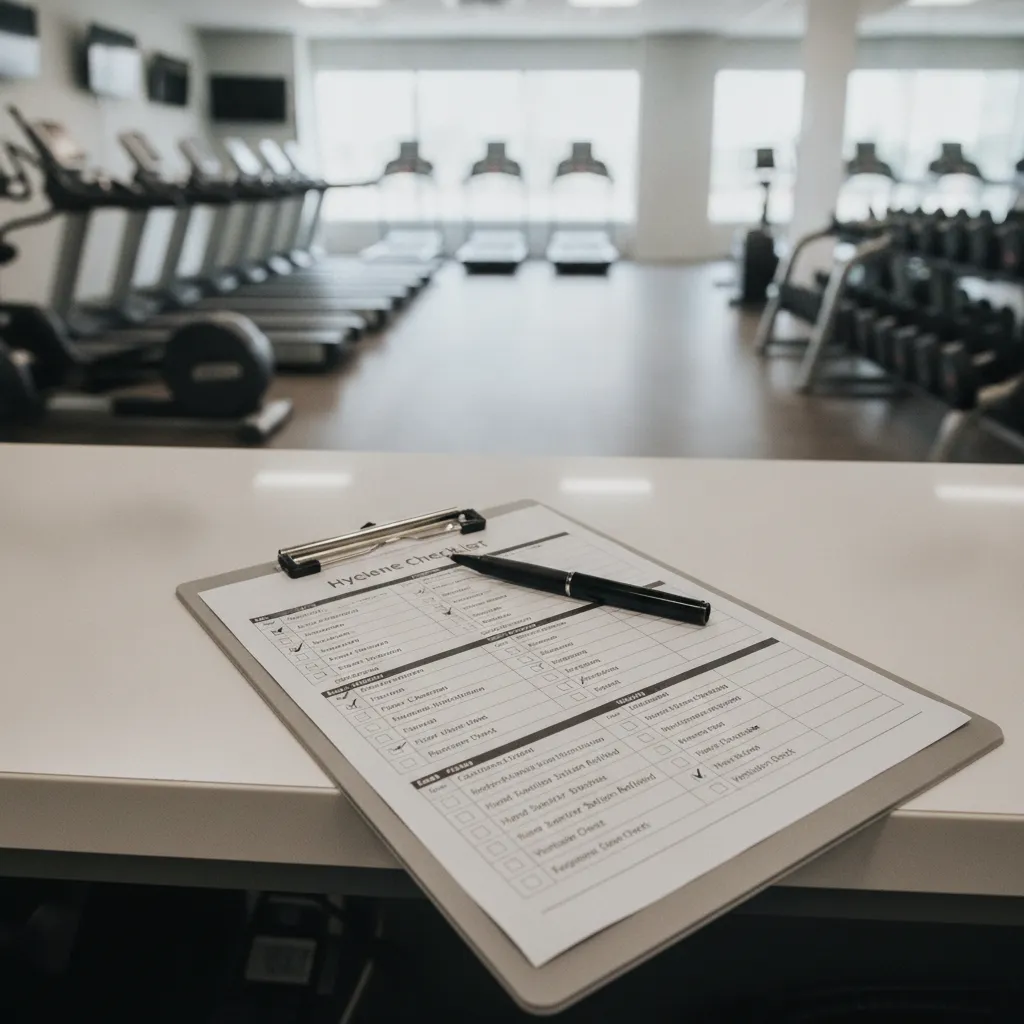
Implement a formal inspection checklist for managers to conduct weekly. This ensures consistency and accountability. Your audit should cover:
- Visual Cleanliness: Check for visible dirt, mould, or grime in all areas.
- Odour Check: Note any persistent unpleasant smells.
- Functionality: Test all fans, taps, and showers to ensure they are working correctly.
- Supply Levels: Confirm all dispensers are full.
For facilities needing a comprehensive assessment, our specialised changeroom and sauna hygiene services include detailed audits and tailored cleaning plans to address specific problem areas.
Empowering Members Through Education#
Your members can be your greatest allies in maintaining a clean environment. Use clear, simple signage to encourage good hygiene practices:
- Remind members to use a towel in the sauna.
- Ask them to wipe down benches after use.
- Encourage reporting of any spills, issues, or low supplies to staff immediately.
This fosters a sense of shared responsibility and respect for the facility.
Conclusion: Protect Your Members and Your Brand#
Your changerooms and saunas are a direct reflection of your commitment to member wellbeing. A clean, hygienic, and fresh-smelling facility not only prevents health issues but also plays a vital role in member satisfaction and retention. By implementing a structured cleaning protocol, focusing on moisture control, and conducting regular audits, you can transform these challenging areas into assets that enhance your gym's reputation.
If you need expert assistance in establishing or maintaining these critical standards, contact Apex Reliable Cleaning. We provide specialised cleaning solutions for Sydney's fitness facilities, ensuring your wet areas are impeccably clean and safe.