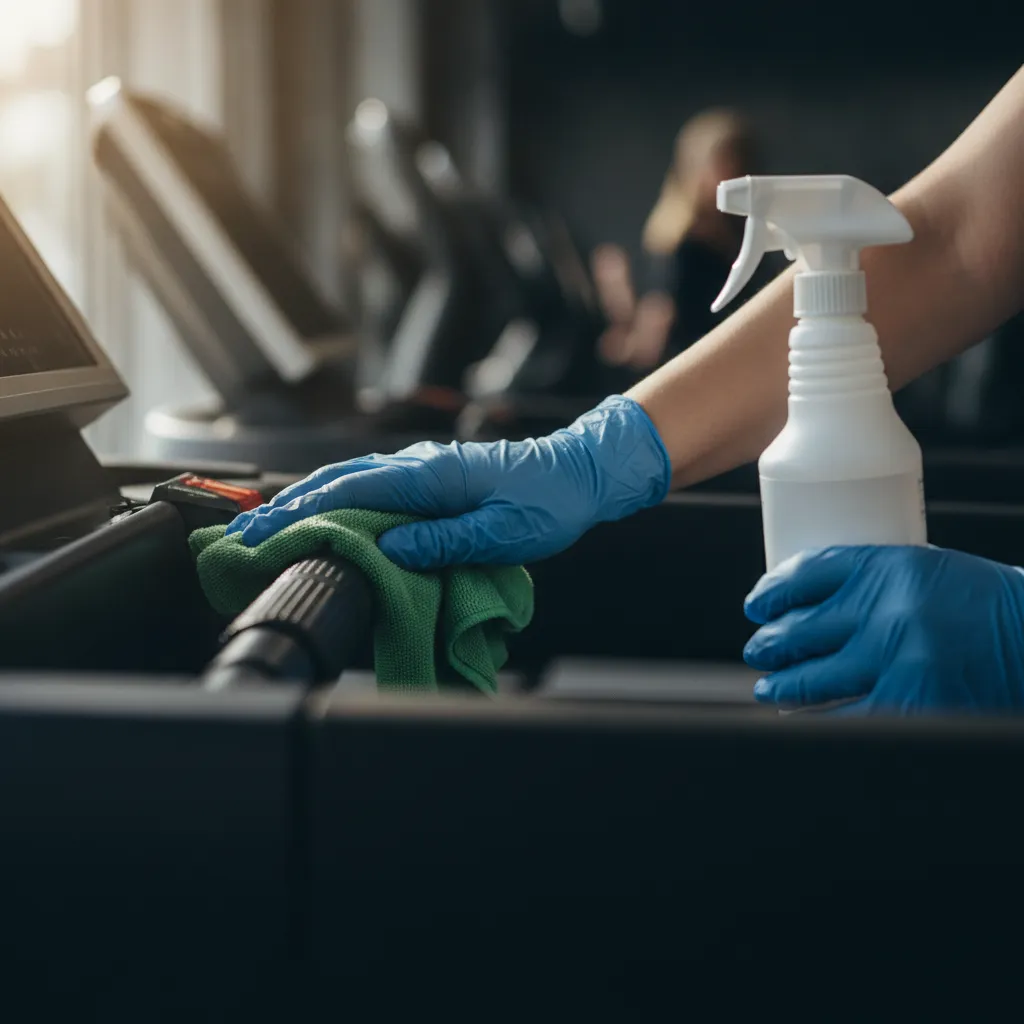
Your Daily Gym Cleaning Blueprint#
A daily gym cleaning checklist is the operational backbone of a safe, reputable, and successful fitness facility. It provides structure, ensures consistency, and systematically reduces the risk of germ transmission. For Sydney gym owners and facility managers, a non-negotiable daily cleaning routine is your first line of defence in protecting member health, prolonging the life of expensive equipment, and maintaining a premium brand image.
This guide provides a practical, zone-by-zone checklist you can implement immediately, followed by professional best practices to maximise efficiency and effectiveness.
The Actionable Daily Cleaning Checklist#
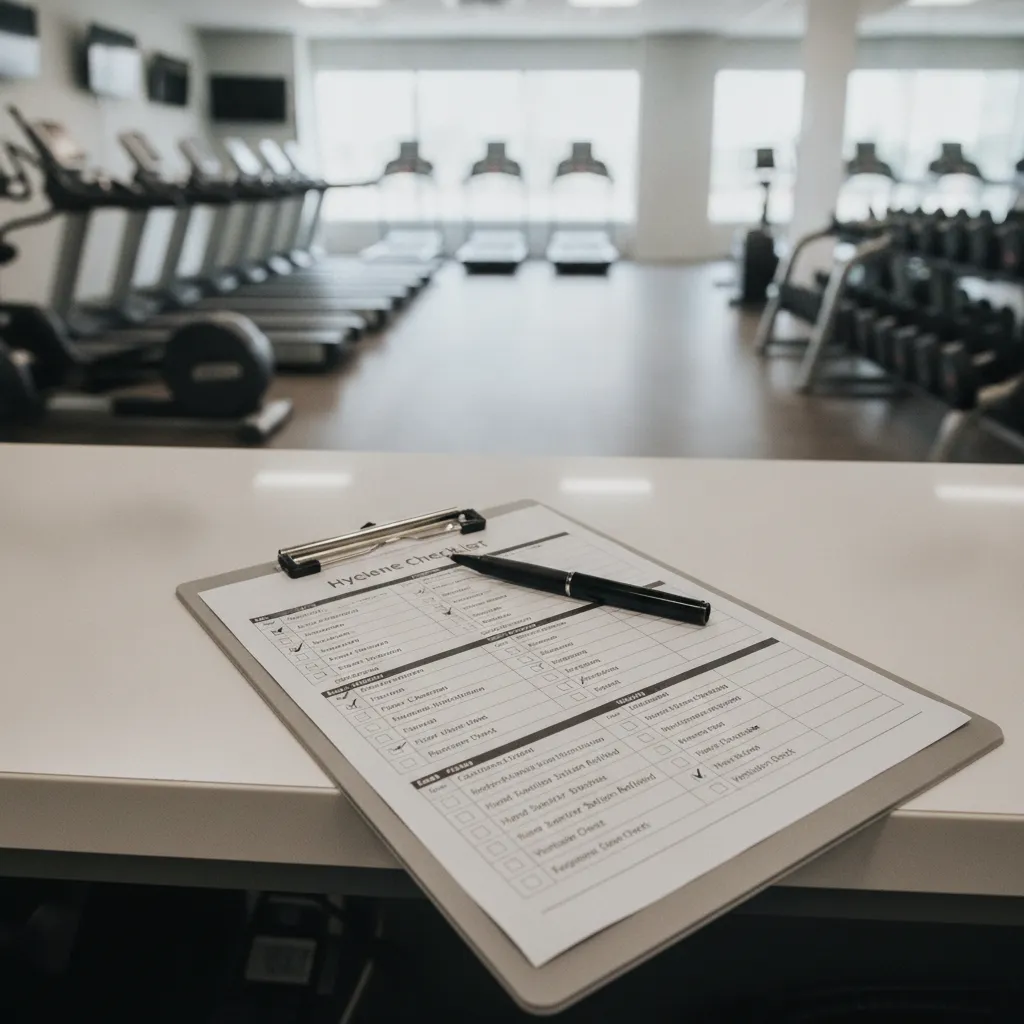
This checklist is designed to be comprehensive. Adapt it to your specific facility's layout and traffic flow. The key is to perform these tasks every single day without fail.
Reception and Entry Areas#
First impressions count. This area must be spotless to welcome members into a clean and professional environment.
- Wipe and disinfect the front desk, countertops, and any transaction surfaces.
- Disinfect the Eftpos terminal, keyboards, and phones.
- Clean and disinfect entry door handles, both inside and out.
- Tidy the waiting area, wipe down any chairs or tables.
- Ensure any retail displays are dust-free and organised.
- Check and empty bins.
Cardio and Strength Equipment#
This is where the highest level of sweat and touch transfer occurs. Diligence here is critical.
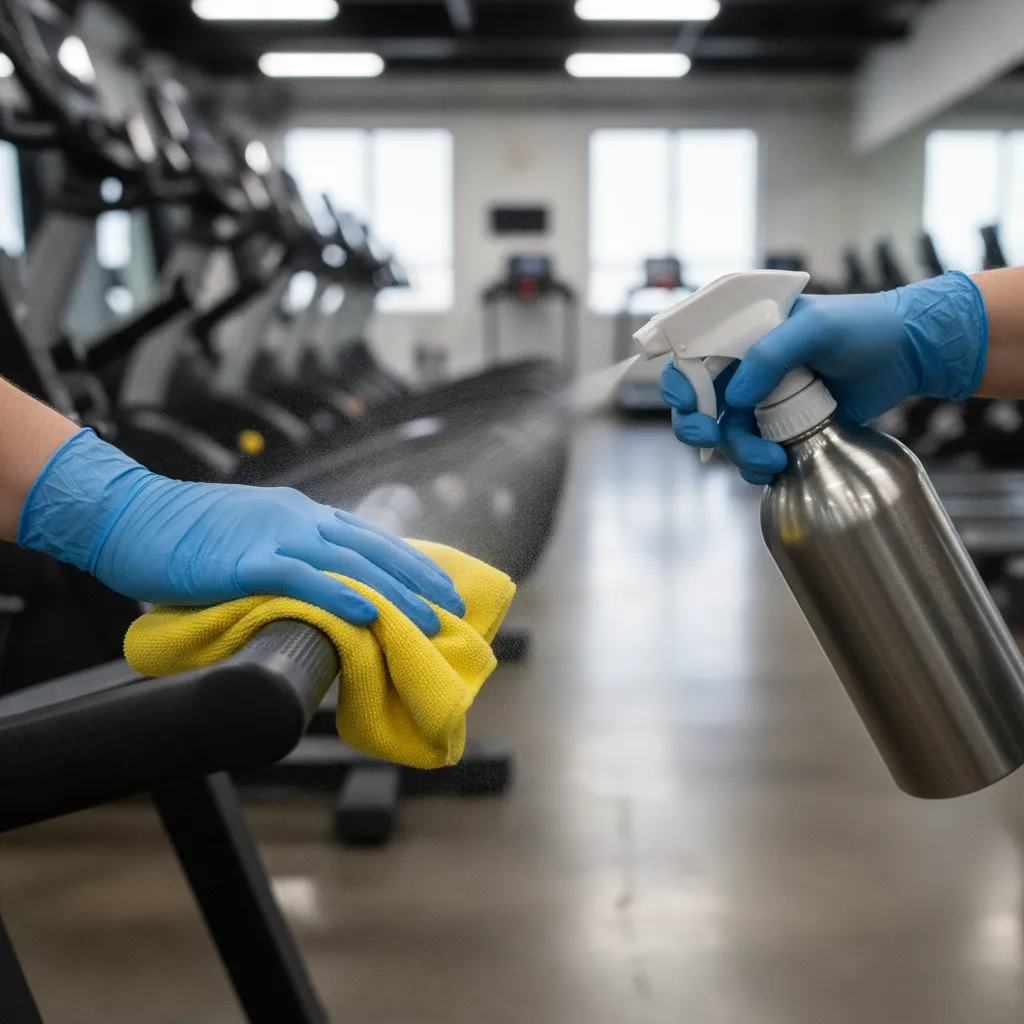
- Wipe down all high-touch surfaces on cardio machines: handles, rails, seats, and console screens.
- Disinfect all user contact points on strength machines: grips, pins, pads, and adjustment levers.
- Check and clean under equipment where dust and debris accumulate.
- Ensure member-facing wipe stations are fully stocked with sanitiser and towels.
Free Weights Area#
This zone requires attention to both hygiene and organisation to ensure safety and usability.
- Wipe down and disinfect all dumbbell and barbell grips.
- Clean and disinfect all benches, ensuring sweat is removed from the upholstery.
- Spot clean the floor to remove chalk, sweat, and debris.
- Ensure all weights and plates are re-racked correctly and neatly.
Group Fitness and Functional Training Studios#
These spaces see intense use in short bursts and must be reset hygienically between classes.
- Mop the floor with a pH-neutral cleaner and disinfectant solution.
- Wipe down and sanitise any shared equipment used during classes (e.g., yoga mats, steps, kettlebells, resistance bands).
- Clean any mirrors, removing smudges and fingerprints.
- Allow the room to air out between sessions where possible.
Changerooms, Toilets, and Showers#
Wet, humid environments are breeding grounds for bacteria and mould. These areas demand the highest standards.
- Clean and disinfect all toilet bowls, seats, and flush handles.
- Wipe down and disinfect sink countertops, taps, and soap dispensers.
- Clean mirrors and remove water spots.
- Disinfect all shower surfaces, including walls, floors, and taps.
- Wipe down and disinfect benches and locker handles (both inside and out).
- Restock all consumables: toilet paper, hand towels, and soap.
- Mop the floor with a hospital-grade disinfectant, paying close attention to corners and drains.
- Empty all sanitary and general waste bins.
General High-Touch Surfaces#
Don't forget the incidental contact points throughout your facility.
- Disinfect water fountain buttons and spouts.
- Wipe down light switches and door handles in all areas.
- Clean and disinfect handrails on stairs and ramps.
Beyond the Checklist: Best Practices for Efficiency#
Having a checklist is one thing; executing it efficiently is another. Integrating professional practices ensures your team works smarter, not just harder.
Establish a Logical Workflow#
Always clean with a system to avoid re-contaminating surfaces.
- Top to Bottom: Start with higher surfaces (like the top of equipment) and work your way down to the floor. This ensures dust and debris fall to an area yet to be cleaned.
- Dry to Wet: Perform dry tasks like dusting or sweeping before moving on to wet tasks like mopping or disinfecting.
- Clean to Dirty: Start in the cleanest areas (like reception) and finish in the most contaminated zones (like toilets and changerooms) to prevent cross-contamination.
Implement Colour-Coded Cleaning#
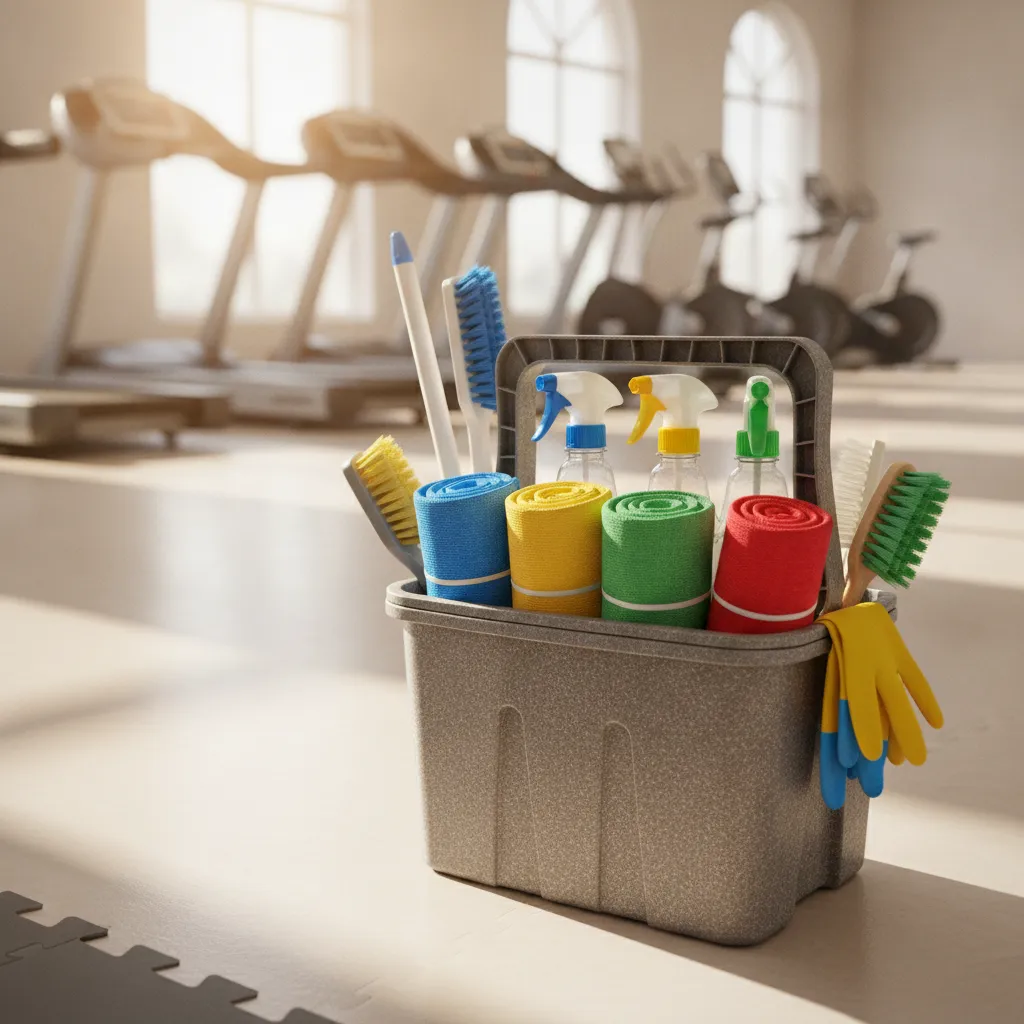
Assign different coloured microfibre cloths to different areas to stop the spread of germs. This is a simple but highly effective professional technique.
- Red: For high-risk areas like toilets and urinals.
- Yellow: For other bathroom surfaces like sinks and showers.
- Green: For general food and bar areas (if applicable).
- Blue: For general cleaning, such as equipment, windows, and desks.
This system provides an immediate visual cue to staff, ensuring the cloth used in the toilet never touches a dumbbell.
The Right Tools and Training Make the Difference#
Your cleaning routine is only as good as the people and products you use. Investing in proper training and supplies is a non-negotiable part of risk management.
The Importance of Staff Training#
Simply handing a staff member a checklist is not enough. They must be trained on how to use the cleaning agents safely and effectively. According to Safe Work Australia, managing risks includes providing adequate training on the safe use of chemicals. Key training points should include:
- Reading a Safety Data Sheet (SDS): Understanding the hazards and proper handling procedures for each chemical.
- Dwell Times: Knowing that disinfectants need to remain wet on a surface for a specific period (often 5-10 minutes) to be effective at killing pathogens. Simply spraying and immediately wiping is often just smearing germs around.
- Correct Dilution: Using concentrated chemicals at the right ratio to ensure they work as intended without causing damage to surfaces.
Selecting the Right Products#
Not all cleaning products are created equal. For a high-traffic environment like a gym, consumer-grade products are insufficient.
- Cleaners vs. Disinfectants: A cleaner removes dirt and organic matter, while a disinfectant kills viruses and bacteria. You must do both. Often, this is a two-step process unless you use a combined cleaner/disinfectant.
- Hospital-Grade Disinfectants: Use disinfectants that are listed by the Therapeutic Goods Administration (TGA). These products have been tested and proven effective against specific pathogens.
- Microfibre Cloths: They are far superior to cotton rags or paper towels. The microscopic fibres are designed to trap and hold dirt, dust, and pathogens, rather than just pushing them around.
Conclusion: Consistency is Your Greatest Asset#
A daily cleaning routine, executed with precision and the right tools, is fundamental to your gym's success. It builds member trust, protects your valuable assets, and creates a welcoming atmosphere that sets you apart from the competition.
While an in-house team can manage this, it requires significant investment in training, management, and supplies. If you want to ensure these critical tasks are performed to the highest standard every day without fail, partnering with a specialist is the most reliable solution. For a truly professional approach, explore our daily gym cleaning services and let us handle the hygiene, so you can focus on your members.